
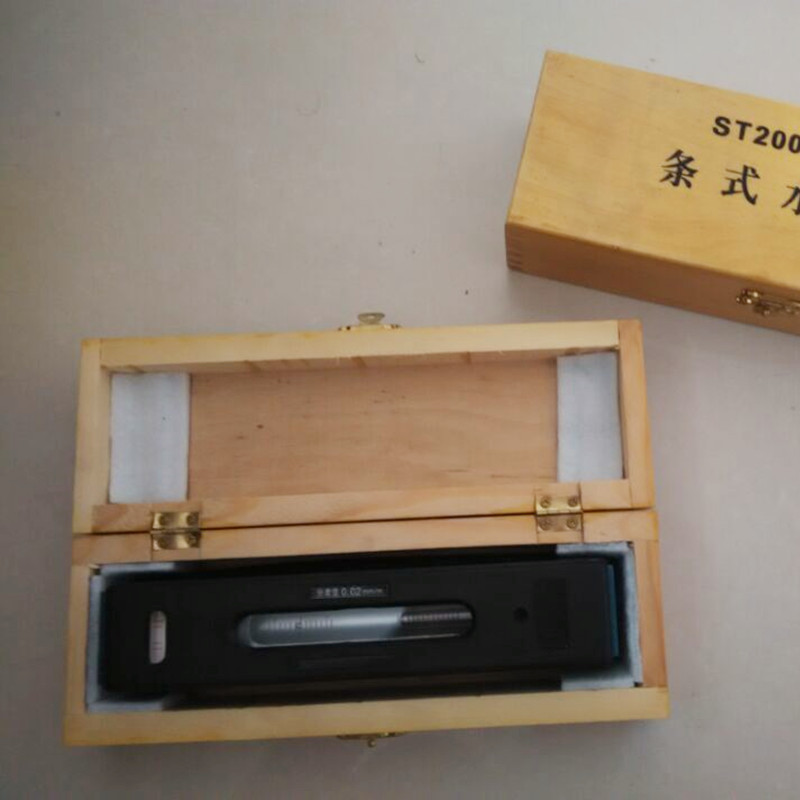
sandblasted mirror design
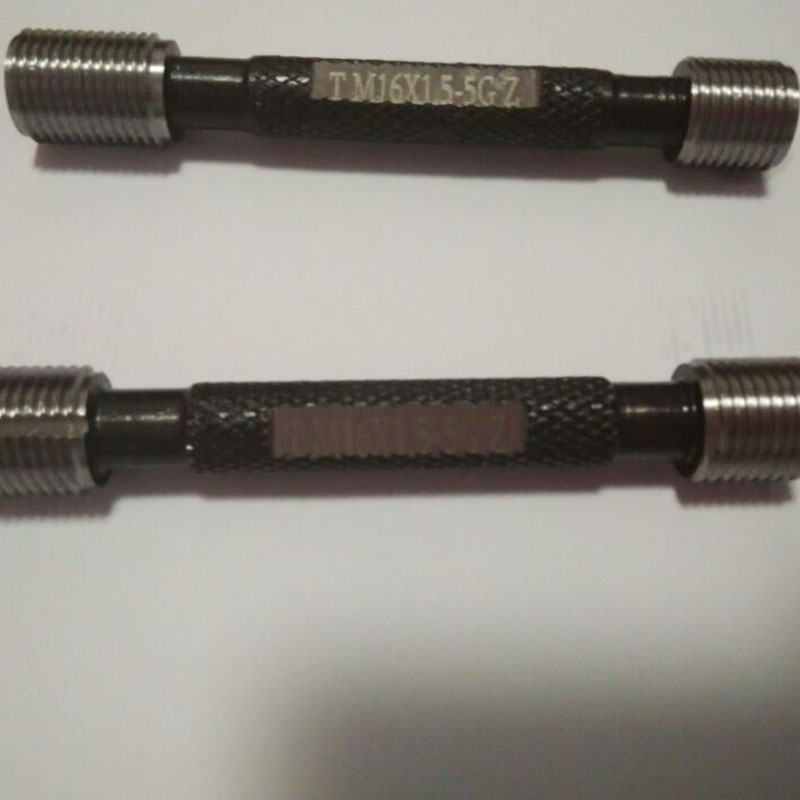
Understanding Small Hole Gauges An Essential Tool for Precision Measurement In the world of manufacturing and engineering, precision is paramount. One of the key tools that facilitate accurate measurement in tight spaces is the small hole gauge. Designed specifically for measuring small diameters and depths, small hole gauges are essential for ensuring quality control in various applications, from automotive parts to aerospace components. What is a Small Hole Gauge? A small hole gauge is a specialized measuring instrument used to assess the diameter of small holes and the depth of pockets or cavities. These gauges come in various designs, but typically, they consist of a tapered rod or a set of rods that can be inserted into the hole. The diameter is then measured either directly from the gauge itself or compared against a calibrated scale. The most common types of small hole gauges include plug gauges, taper gauges, and go/no-go gauges, each designed for specific measurement requirements. For instance, plug gauges are often used to determine whether a hole meets certain diameter specifications, while go/no-go gauges provide a quick means of checking for compliance within specific tolerances. Applications in Industry Small hole gauges find applications in numerous industries. In the automotive sector, they are used to measure the fuel injector holes and valve guides, ensuring that precision is maintained for optimal engine performance. In aerospace, where weight and strength are critical, these gauges help assess holes in airframes and engine components, where even the slightest deviation can lead to catastrophic failures. Moreover, small hole gauges are vital in the manufacturing of medical devices, where the design often incorporates intricate parts requiring precise hole measurements to ensure proper functioning. Even in electronics, small hole gauges are used to verify dimensions in circuit boards and connectors, underscoring their versatility across different sectors. small hole gauge How to Use Small Hole Gauges Using a small hole gauge is relatively straightforward, but it requires a steady hand and a keen eye. To measure a hole, the gauge is inserted into the opening, and the user feels for a snug fit. If the gauge fits too loosely, the hole may be oversized; if it fits too tightly, the hole may be undersized. Once a suitable gauge is found, users can often read the size directly marked on the gauge. For tapered gauges, the point at which resistance is felt quantifies the hole's diameter. After obtaining the measurements, documenting them accurately is crucial, particularly in regulated industries where compliance must be proven. Advantages of Small Hole Gauges One of the primary advantages of small hole gauges is their simplicity and efficiency. They allow for quick checks in a variety of environments, eliminating the need for complex electronic measuring tools in many cases. Lightweight and portable, small hole gauges can be easily transported to various work sites, making them excellent for fieldwork. Additionally, these gauges are typically more cost-effective compared to advanced digital measurement tools, making them accessible for small businesses and startups. Despite their low cost, they can provide high accuracy, particularly when used by skilled operators. Conclusion In conclusion, small hole gauges play a crucial role in ensuring the quality and precision of products across diverse industries. Their straightforward design, versatility, and effectiveness make them indispensable tools for engineers and manufacturers alike. As industries continue to push the boundaries of innovation, the importance of reliable measurement tools like small hole gauges cannot be overstated. Whether for routine checks or critical quality assessments, these gauges remain foundational in achieving precision in manufacturing processes.
about
sandblasted mirror design
Choosing the Right Gate Valve Supplier A Comprehensive Guide When it comes to industrial applications, the importance of a reliable gate valve cannot be overstated. As crucial components in controlling fluid flow, gate valves are designed to open and close fluid pathways. Choosing the right gate valve supplier is paramount for ensuring quality, performance, and timely delivery. In this article, we will explore the key factors to consider when selecting a gate valve supplier, along with the benefits of partnering with a reputable company in this field. 1. Quality and Certification First and foremost, the quality of the gate valves should be a primary consideration. A reputable supplier should provide products that meet or exceed industry standards. Certifications such as ISO 9001, API 602, and others relevant to the industry are indicators of a supplier's commitment to quality. It is advisable to inquire about the materials used in manufacturing the valves, as well as the testing processes they employ to ensure reliability and durability. 2. Diversity of Product Range A good gate valve supplier should offer a diverse range of products to cater to various applications. This includes different sizes, materials (such as stainless steel, cast iron, and bronze), and pressure ratings. A varied product line can simplify your procurement process, allowing you to source multiple types of valves from a single supplier. This not only saves time but also fosters a stronger supplier relationship. 3. Technical Expertise and Support The complexity of industrial applications often necessitates expert knowledge. When selecting a gate valve supplier, consider their level of technical expertise. Suppliers should have experienced engineers who can provide valuable insights and recommendations tailored to your specific needs. Additionally, access to technical support during installation and maintenance can be a significant advantage. 4 . Lead Time and Delivery Reliability gate valve supplier In the manufacturing world, time is often of the essence. Delays in the supply chain can lead to costly downtimes. When evaluating potential gate valve suppliers, inquire about their lead times and delivery reliability. Suppliers with streamlined operations and efficient logistics can help ensure that you receive your products on time, allowing you to meet production schedules without interruptions. 5. Customer Reviews and References Research plays a vital role in finding a trustworthy supplier. Look for customer reviews and testimonials that can provide insight into the supplier’s reputation and service quality. An established supplier should be willing to provide references from previous clients. Listening to the experiences of others can help you make a more informed decision. 6. After-Sales Support and Warranty After-sales service can enhance the value of your investment. A good gate valve supplier will offer a comprehensive warranty on their products, providing peace of mind. Furthermore, inquire about their after-sales support, including maintenance services, replacement parts availability, and assistance with any issues that may arise after the purchase. 7. Pricing Consideration While price should not be the sole deciding factor, it is essential to consider it in conjunction with quality and service. Cheap valves from an unreliable supplier may end up costing more in repairs and replacements over time. Seek quotes from multiple suppliers and compare them, ensuring you weigh the value against the cost to find a supplier that offers the best overall proposition. Conclusion Partnering with the right gate valve supplier is integral to your operational success. By prioritizing quality, product range, expertise, delivery reliability, customer feedback, after-sales support, and pricing, you can make an informed choice that meets your industrial needs. In today’s competitive market, establishing a strong relationship with a reliable supplier will not only enhance your efficiency but also significantly contribute to the sustainability of your operations. Make your selection wisely, and enjoy the benefits of seamless fluid control in your applications.
-

High quality industrial productsagement

High quality industrial products
View Details -

Meet the diverse needs of customers

Meet the diverse needs of customers
View Details -

Strict quality control

Strict quality control
View Details -

Top raw materials

Top raw materials
View Details -

Trusted supplier

Trusted supplier
View Details
Our application

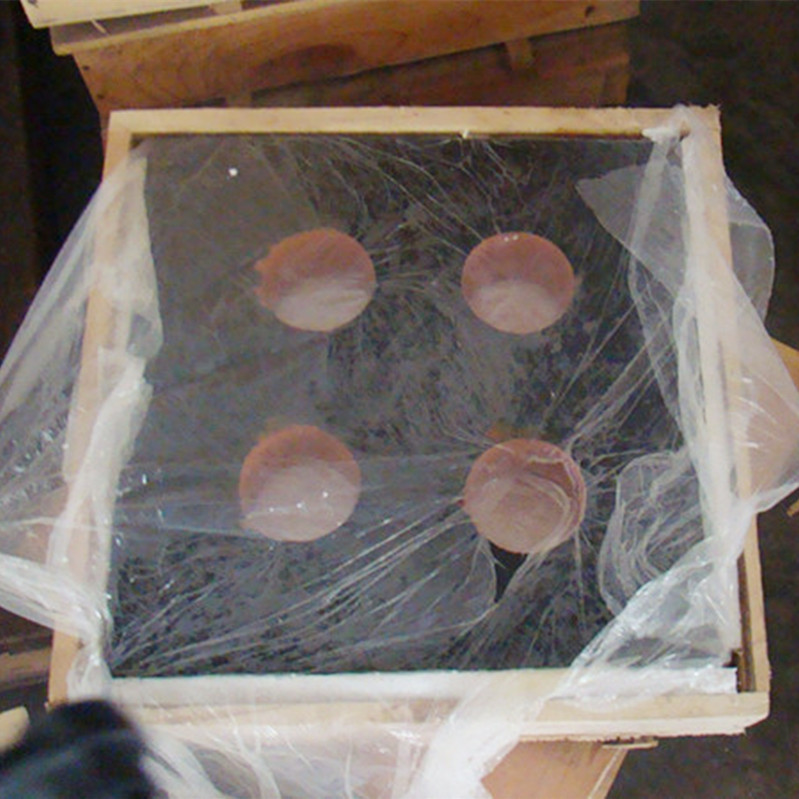

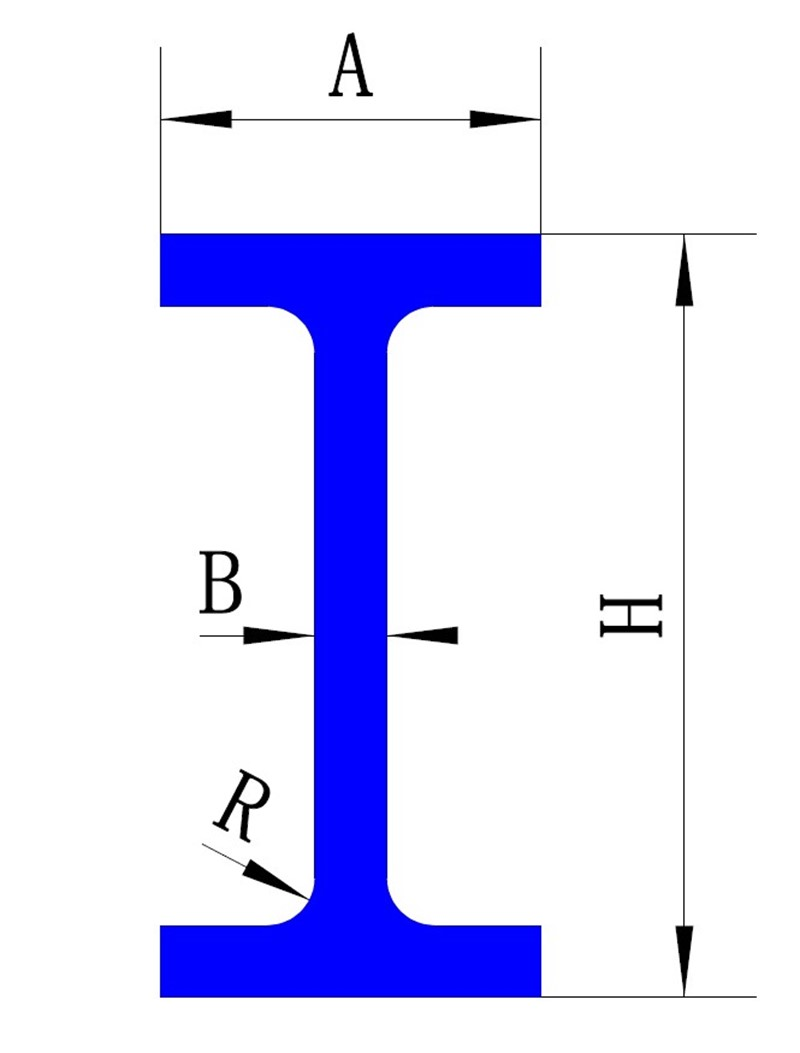
news and information
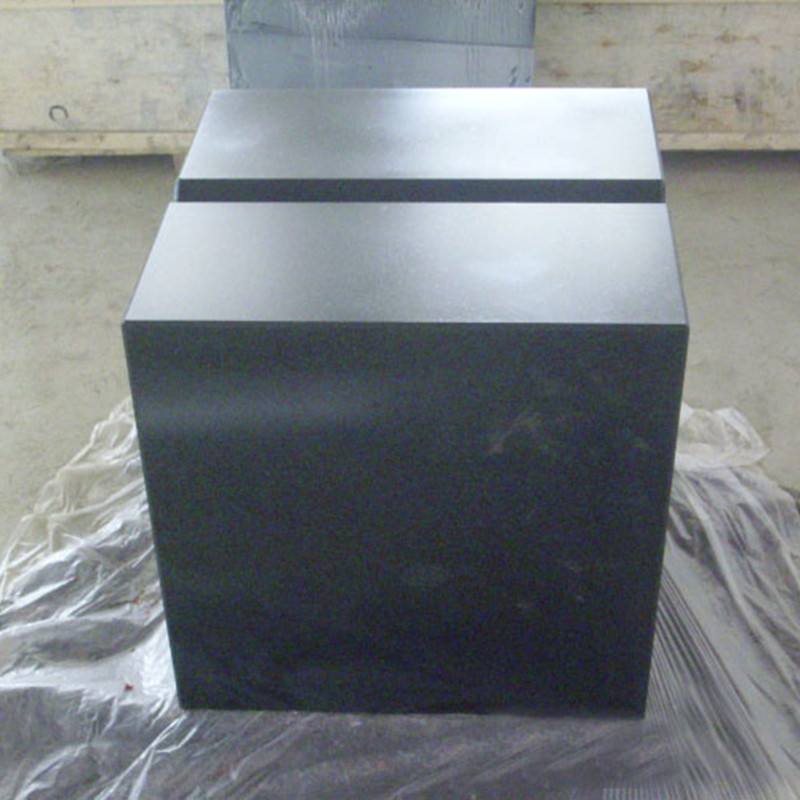
veitsen porttiventtiilityypit
Knife gate -venttiilit ovat erityinen venttiilityyppi, joka on suunniteltu erityisesti kiinteiden ja
Using a Spirit Level for Accurate and Precise Measurements in Various Applications
Reading a Spirit Level A spirit level is an essential tool for anyone who wants to ensure that surfa

Válvula principal de agua en el hogar y su importancia para el suministro doméstico
La Importancia de la Válvula Principal de Agua en el Hogar La válvula principal de agua es un compon
 English